November 22, 2024
How to run a successful crafts booth in 2025: the dos and don’ts for vendors
Running a crafts booth is an exciting and rewarding way to share your creativity, connect with customers, and build your brand. Whether you're selling handmade jewelry, custom pottery, knitted scarves, or unique home decor, setting up a booth at local markets, fairs, and festivals is an excellent way to showcase your talents and make a living doing what you love. But running a successful booth isn't just about having beautiful products; it’s about creating an engaging experience for your customers, marketing your booth effectively, and ensuring your booth stands out from the crowd.
In this post, we’ll walk you through everything you need to know to run a successful crafts booth in 2025—focusing on the strategy, design, and customer experience that will help you boost sales, build a loyal following, and have fun in the process!
1. Perfect Your Product Line: Quality, Variety, and Consistency
Before you even think about setting up a booth, your product is key to your success. While it’s tempting to produce as many different types of items as possible, a well-curated selection often works best. You want to ensure that your products are high-quality, consistent, and aligned with what your target market wants. If your items are handmade, buyers will pay attention to the craftsmanship, so perfection is key.
Tips for perfecting your product line:
- Quality over quantity: Focus on creating products that reflect your skills and passion. A smaller, high-quality selection will create a more memorable impression than a wide array of mediocre items.
- Consistency is key: Whether it’s a specific theme, color palette, or technique, ensure your items have a unified look and feel. This helps establish your brand and makes your booth visually appealing.
- Market research: Visit other craft booths to see what’s trending in your niche. Take note of what people are buying and which products generate buzz.
By offering well-crafted, thoughtful pieces that people connect with, you'll start building a loyal customer base that returns time and time again.
2. Booth Design: Stand Out and Attract Attention
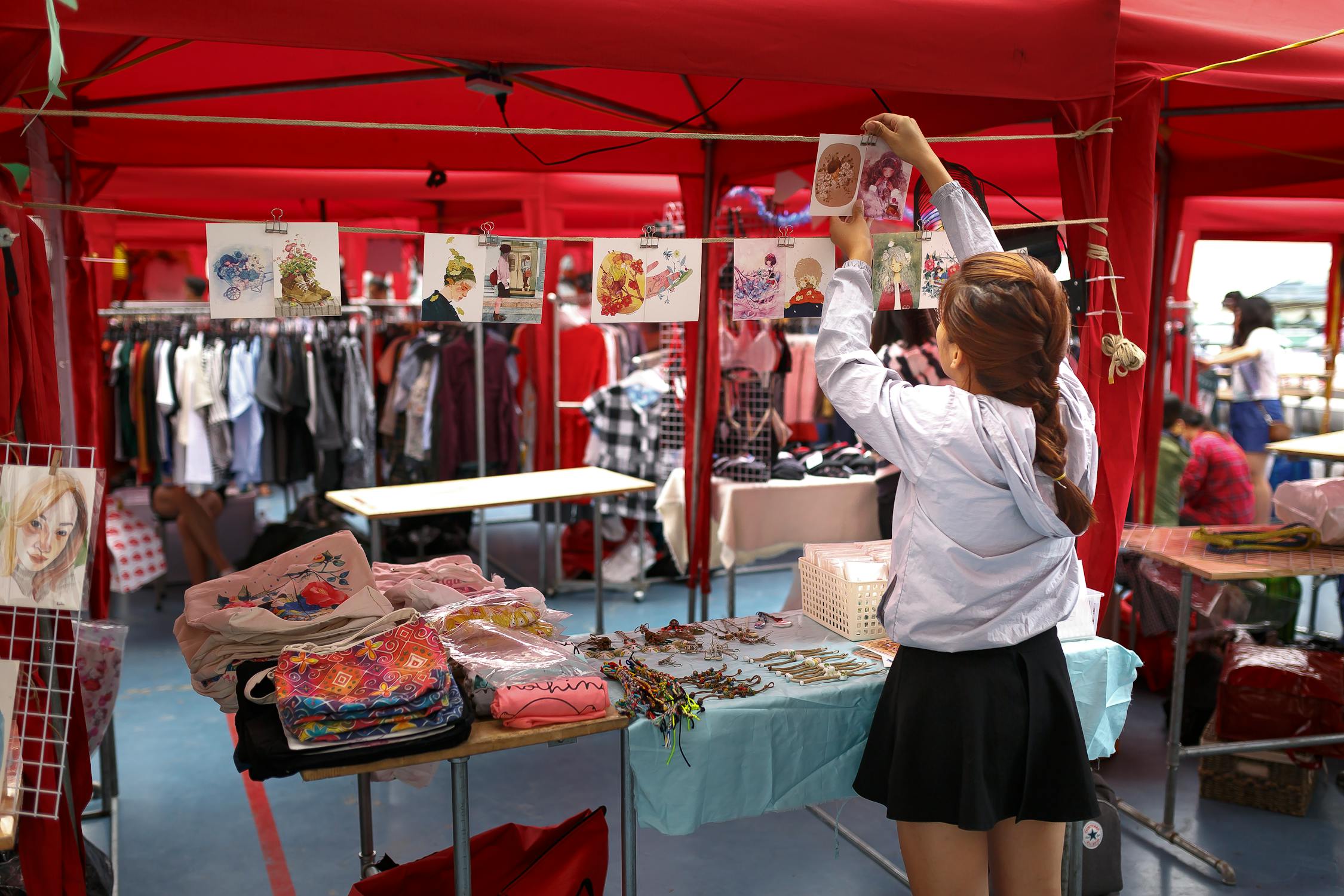
The design of your booth is everything. In a busy market or fair environment, you have only a few seconds to grab people’s attention. Your booth needs to be visually appealing, easy to navigate, and able to display your crafts in the best light. Remember, it’s not just about the products; it’s about creating an experience that invites people to stop, browse, and engage.
How to design a booth that stands out:
- Keep it neat and organized: A cluttered booth is a turnoff. Use shelves, tables, and racks to display your products neatly. Consider using a color scheme that complements your products and brand.
- Use height: Utilize vertical space for signage, displays, and hanging items to create a more dynamic booth and draw people’s eyes.
- Make your booth inviting: Think about lighting, signage, and props that make your booth feel warm and welcoming. LED lights can highlight your products, while a banner or sign with your brand name will make your booth easy to identify.
- Create an interactive space: A small DIY station where customers can customize their products or a sample area for people to touch and feel your items can be very engaging. This creates an experience, not just a transaction.
Example Booth Layout:
- Back wall: Large banner with your brand name, logo, and tagline. A grid wall or pegboard can hold hanging products.
- Table: Showcase your most popular or eye-catching products at the front and center.
- Side tables or racks: Use to display smaller items or products in different price ranges.
3. Pricing Strategy: Value and Profitability
Setting the right price is crucial for attracting customers while ensuring you’re making a profit. When pricing your crafts, consider the materials, labor, overhead costs, and market research. It’s also important to understand what price range your target audience is comfortable with, and how to structure your pricing to appeal to different customer budgets.
How to price your products:
- Know your costs: Factor in not just the cost of materials, but also your time, tools, booth rental, packaging, and other overhead.
- Consider your market: Research other vendors selling similar products in the area to understand what price point is competitive.
- Price tiers: Offer a range of price points to appeal to a broad audience. For example, have a selection of lower-cost, impulse-buy items and some premium items for customers willing to spend more.
- Be transparent: Display prices clearly. Customers don’t like to guess, and being upfront about costs fosters trust.
For example, if you're selling handmade jewelry, a simple pair of stud earrings might be priced at $15, while a custom necklace could go for $50 or more, depending on materials and design complexity.
4. Customer Engagement: Build Relationships, Not Just Sales
Selling at craft fairs isn't just about the transaction; it's about creating a memorable experience. People buy from those they trust and feel a personal connection to, so make sure you engage with each customer in a way that makes them feel special.
How to engage customers:
- Be approachable: Greet people as they walk by, but don’t be pushy. Let them know you're available to answer questions and help them find what they’re looking for.
- Tell the story: Share the story behind your products. Whether it's the materials, the process, or the inspiration, people love knowing the “why” behind what they’re buying.
- Use social media: Encourage customers to follow you on social media and offer a small incentive, like a discount or free gift with their next purchase. You can even promote your booth location on Instagram or Facebook, making it easy for followers to find you at the event.
Pro Tip: Customer retention is key! Always ask for emails and offer an email newsletter for special promotions, upcoming shows, or exclusive products.
5. Marketing Your Crafts Booth: How to Drive Traffic
While a great booth can speak for itself, you’ll need to drive traffic to it. Whether it’s through social media, email, or word-of-mouth, effective marketing is essential for attracting customers to your booth.
Strategies for marketing your booth:
- Pre-event promotion: Let your social media followers know where you’ll be and when. Use event hashtags, post sneak peeks of what you’ll be selling, and offer exclusive discounts to followers who visit your booth.
- Engage on social media: Create posts or stories showcasing your booth setup, highlighting new items, or demonstrating your process. Tag the event organizers and use location-based hashtags.
- Offer promotions: Everyone loves a deal! Create bundle offers, discounts for repeat customers, or a “buy one, get one” deal to drive more foot traffic to your booth.
- Hand out business cards or flyers: Customers may not buy on the spot, but if you hand out a card or flyer, they’ll remember you when they’re ready to make a purchase. Include your website, social media handles, and email address.
Pro Tip: We recommend posting your Tiny Store link on your social media like Instagram prior to the crafts event so you can get pre-orders placed and know exactly what to bring and how much to bring. Your customers can come pick it up directly at your booth!
6. Payment Systems: Make Transactions Smooth and Secure
A smooth checkout process is crucial for customer satisfaction. These days, customers expect to be able to pay in a variety of ways, including credit cards, debit cards, mobile payments, and even contactless payment methods like Apple Pay or Google Pay. Cash is always king though!
How to set up a reliable payment system:
- Mobile point of sale (POS) systems: Square, PayPal Here, or Shopify POS are excellent options for mobile payments. They allow you to accept credit and debit cards through a smartphone or tablet, and even track inventory and sales.
- P2P Payments: Venmo and Cash app are incredibly common so have your QR code ready to scan!
- Cash is still king: While mobile payments are popular, don’t forget that some customers may prefer cash. Always have plenty of change and a secure cash box on hand.
- Offer invoicing or digital receipts: Make sure your payment system allows you to easily send digital receipts to customers. Some customers may also appreciate an option to invoice or pay later.
Pro Tip: If you're new to accepting card payments, consider offering a small incentive (like a 5% discount) for first-time card buyers.
7. Customer Service: Going the Extra Mile
Great customer service is what turns a first-time buyer into a loyal fan. Even if you’re just one person running your booth, treating each customer like they’re the most important person at that moment can make a world of difference.
How to provide exceptional customer service:
- Be friendly and patient: Take the time to answer questions about your products, processes, or background. The more knowledgeable and passionate you are, the more your customers will appreciate it.
- Offer customizations or personalization: If applicable, offer customers the option to personalize their purchases. A hand-lettered name or a unique color variation can make an item feel special.
- Handle complaints professionally: If a customer has an issue with your product, address it calmly and offer a solution. Excellent customer service can turn a negative experience into a loyal customer.
8. After the Event: Keep the Momentum Going
After the event is over, it’s easy to pack up and move on to the next market, but staying connected with your customers can pay off long-term.
How to keep customers engaged after the event:
- Follow up with thank-you emails: If you’ve gathered emails, send a thank-you message and offer a discount on their next purchase.
- Post-event marketing: Share photos or highlights from the event on social media, tagging people who visited or bought from your booth.
- Invite feedback: Encourage customers to leave reviews online or share their experiences on social media. Positive word-of-mouth can be a powerful tool for your business.
Running a successful crafts booth in 2025 isn’t just about selling products; it’s about building relationships, creating an unforgettable experience, and presenting your creations in a way that resonates with your customers. With attention to detail in booth design, product selection, customer engagement, and marketing, you’ll be well on your way to turning your booth into a profitable and enjoyable venture.
And we would love for you to join the Tiny Store community! It’s the best place to quickly and easily build your website and start taking orders.
So, get ready to pack up your craft supplies, make that booth your own, and share your beautiful creations with the world. Success is waiting for you—one booth at a time! ✨
See you at your next event!
*Karen S. at Growth at Tiny Store* www.tiny.store